

Movement built around your existing schedule, not against it.

Sitting became the default. We're trying to make movement one too.
Most workdays weren't designed with the body in mind. Meetings stack up, screens stay lit, and hours pass before anyone stands. It isn't a lack of willpower. It's a structural gap between how offices operate and how joints, muscles, and circulation actually want to move.
Kezati started as a series of short lunchtime sessions for a handful of remote teams asking the same question: how do we build in movement without asking people to change their entire routine? The webinars grew from there. What stayed constant is the format. Brief, specific, and grounded in movement education rather than fitness performance.
What a short movement habit can change
These sessions focus on the parts of a workday most affected by long, uninterrupted sitting: posture, energy, and focus.
Less end-of-day stiffness
Short movement breaks placed between tasks can ease the tightness that builds up in the hips, shoulders, and lower back over a long sitting stretch.
Steadier afternoon focus
A brief change in position and circulation mid-afternoon can help counter the sluggishness that often shows up after lunch.
Routines that fit real calendars
Every session is built around the constraints of an actual workday: back-to-back meetings, small desks, limited privacy.
No equipment required
Everything taught uses a chair, a desk, a wall, or open floor space. Nothing to purchase or unpack.
Grounded in movement education
Sessions explain the reasoning behind each technique rather than presenting a routine to follow blindly.
Works for individuals or teams
Join on your own or bring a whole department. The format holds up either way.

The two-minute reset
The shortest sessions in the series focus on what can realistically happen between meetings: a two-minute sequence covering the neck, shoulders, and wrists. It isn't meant to replace exercise. It's meant to interrupt a long stretch of stillness before it turns into stiffness.
Participants learn to recognize their own early signs of tension and pair them with a specific, quick response, rather than waiting until discomfort becomes distracting.

Walking meetings, reimagined
Not every call needs a screen. This session covers how to identify which meetings can move, how to structure a walking check-in so nothing gets lost, and what to do when a hallway or block isn't available.
It's a small shift with a fairly large effect: a full agenda without another hour spent seated.

Posture as a practice, not a position
Rather than teaching one "correct" way to sit, this session frames posture as something that changes throughout the day. Variety matters more than perfection. Small position shifts every twenty to thirty minutes tend to do more than holding any single ideal posture for hours.
Attendees leave with a few adjustable reference points instead of a rigid rule they'll abandon by Thursday.

Movement snacks throughout the day
Borrowing a term from movement education circles, "movement snacks" are short, low-effort bursts of activity slotted between tasks: a few minutes near the kettle, a stretch by the printer, a stair loop before a call.
This session covers how to spot natural pauses in a workday and attach a small movement habit to each one.
What the webinars actually look like
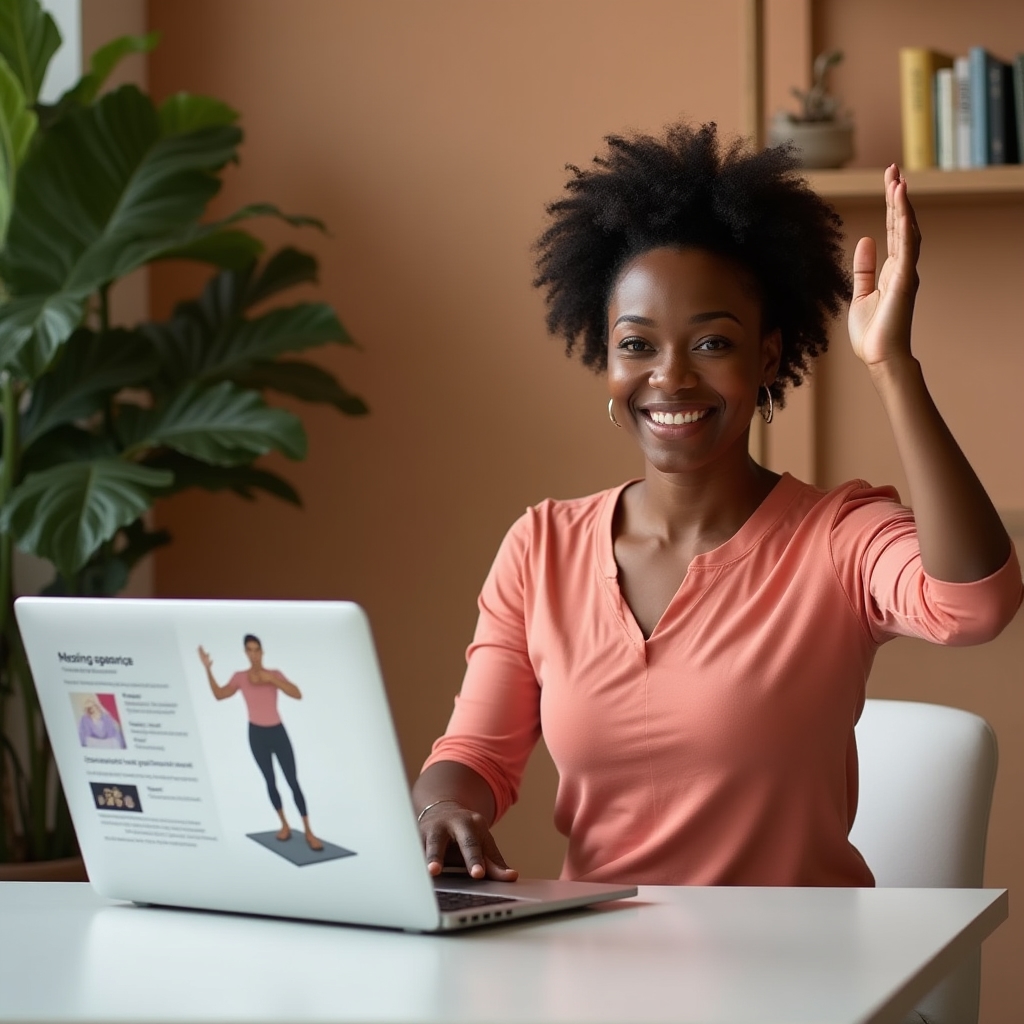
Every session is hosted live online, recorded for registered attendees, and kept intentionally short.
Ready to see how it fits your week?
Sessions are free to attend and open to individuals, teams, and organizations exploring movement education for desk-based work.
Get in Touch